In 2025, content creation has become a fast-evolving game of creativity, efficiency, and discoverability — and artificial intelligence sits at the heart of it all. Whether you’re a solo creator, a marketer, or part of a creative agency, AI tools are no longer optional extras. They’re becoming foundational for scaling your output, polishing your brand voice, and staying competitive in an oversaturated digital landscape.
Here are 10 of the most powerful and relevant AI tools for content creators this year — what they do, why they matter, and how you can use them.
1. ChatGPT by OpenAI
ChatGPT continues to be the go-to AI assistant for content creators across industries. The latest versions are multimodal — meaning you can now use it with text, images, code, and even audio. ChatGPT excels at generating blog drafts, brainstorming content ideas, rewriting copy, summarizing complex articles, and transforming long-form content into short-form snippets. It’s incredibly flexible, making it ideal for everything from scripting YouTube videos to generating captions for Instagram. However, it still requires fact-checking and tone-tweaking — its strength lies in speed and structure, not final polish.
2. Tagshop AI
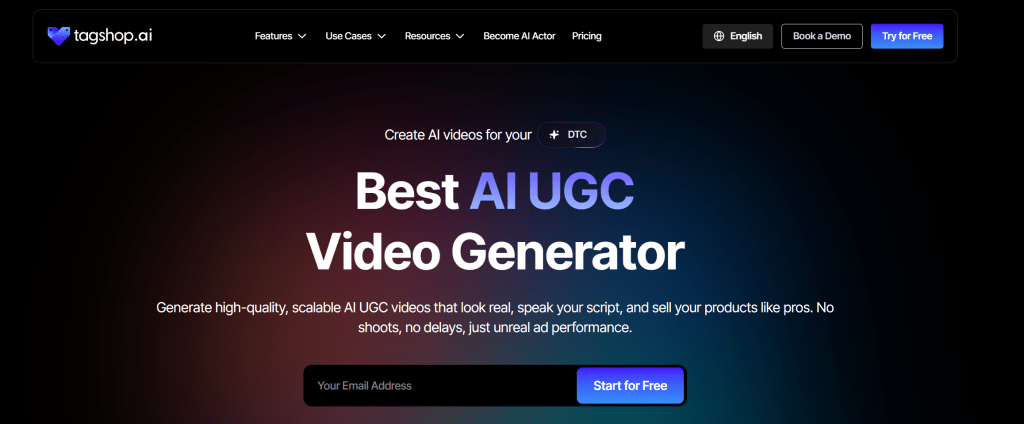
Tagshop AI is a cutting-edge platform designed to generate AI-powered UGC videos at scale — making it a game-changer for creators, marketers, and eCommerce brands who want to boost product engagement without relying solely on influencers or traditional video shoots.
At its core, Tagshop AI uses generative AI to create short, persuasive product videos that look and feel like authentic UGC — including voiceovers, real human presenters (via avatars or synthetic actors), product showcases, and lifestyle shots. You simply upload product details, images, or a landing page, and Tagshop creates a complete video optimized for platforms like Instagram, TikTok, YouTube Shorts, or product pages.
What sets it apart is its ability to scale content production. Instead of coordinating with multiple creators or filming sessions, brands can auto-generate dozens of UGC-style videos tailored for different products, demographics, or campaigns — saving weeks of production time and budget. For content creators, it offers a fast way to produce branded content or mockups for client approval. Tagshop AI can generate multilingual AI UGC videos as well that help to target customers globally.
3. Canva Magic Studio
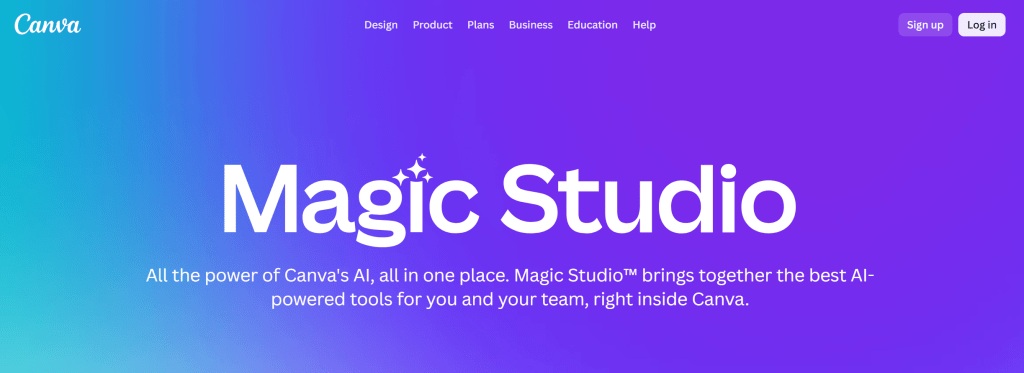
Canva has gone beyond drag-and-drop design and now includes an entire suite of AI tools under its “Magic Studio” umbrella. This includes Magic Write (AI copywriting), Magic Design (auto-generated layouts), Magic Animate, and even AI video editing. Canva’s AI helps you create branded visuals, infographics, thumbnails, and short videos — all without needing deep design skills. It’s the perfect solution for content creators who want to create compelling visuals quickly. However, for more complex or nuanced design needs, traditional graphic tools or a human designer may still be necessary.
4. Adobe Firefly
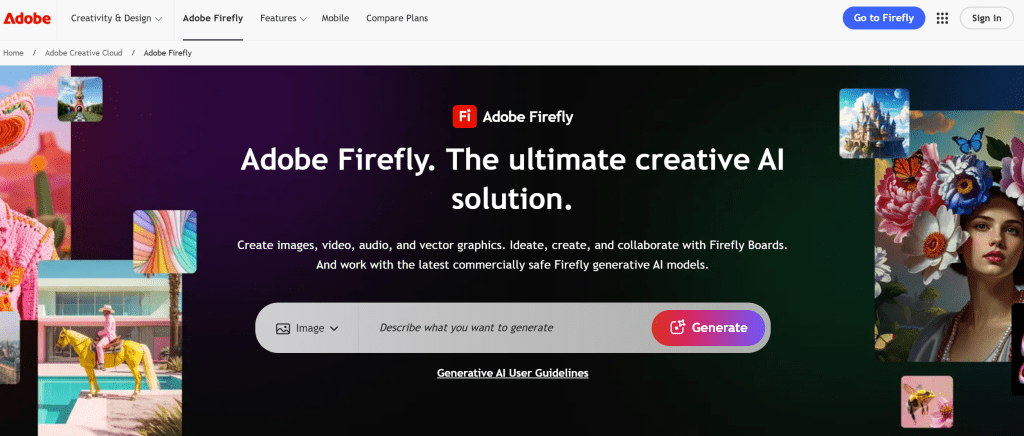
If you’re serious about visual content — especially for commercial use — Adobe Firefly is a standout. Unlike some other image generators, Firefly is trained on Adobe’s own stock and licensed content, meaning its output is commercially safe. The tool supports text-to-image generation, style transfer, object manipulation, and more. Integrated into Creative Cloud, Firefly makes it easy for designers and creators to blend AI-generated visuals with their existing workflows. Its output quality is stunning, though it does come with a learning curve and may require time to master.
5. Veo (by Google DeepMind)
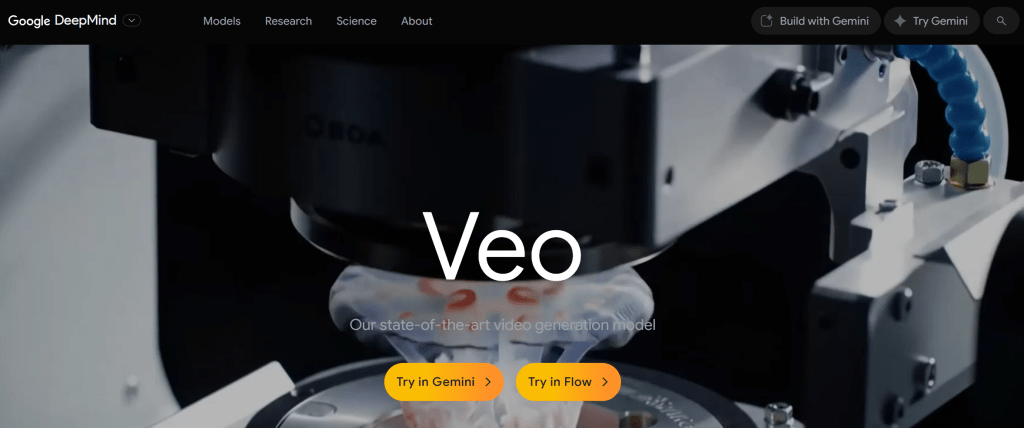
Video content is the next big frontier in AI — and Veo is one of the most promising tools for 2025. This text-to-video generator can create realistic, high-definition video clips from a simple prompt. Veo 3 (the latest version) now supports 1080p resolution and handles more complex scenes, making it ideal for creating explainer videos, cinematic B-roll, product intros, and short-form social media content. While it’s still developing and has limitations in terms of accuracy and timing, it eliminates the need for cameras, sets, or post-production editing in many scenarios.
6. Semrush

For SEO-savvy creators, Semrush remains a must-have. It goes beyond keyword research, offering tools for topic discovery, content gap analysis, competitive benchmarking, and real-time optimization suggestions as you write. It’s especially helpful for blog writers and content marketers who want their content to rank on Google. You can create full content briefs, identify long-tail keywords, and get on-page SEO scores. The only downside? It’s not cheap, and the sheer number of features can feel overwhelming for beginners.
7. Grammarly (with AI writing enhancements)
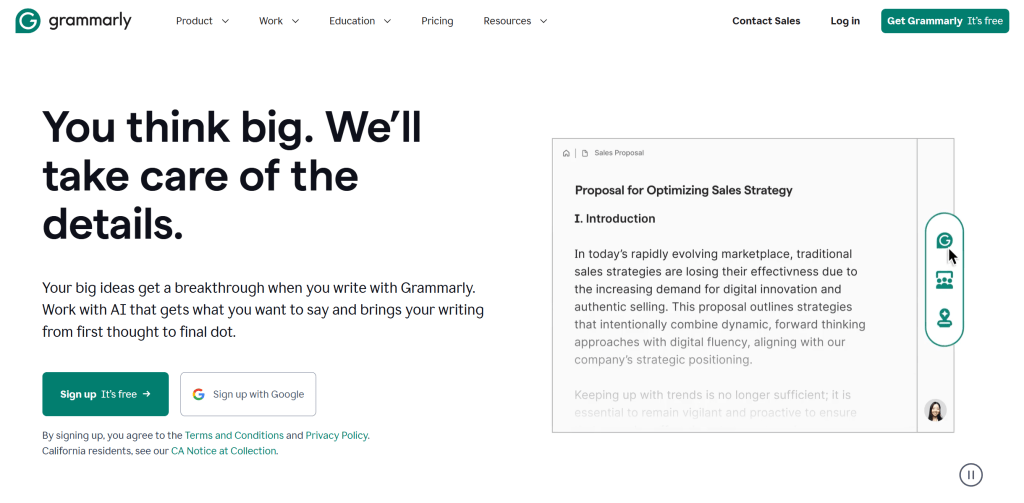
Grammarly has evolved beyond grammar and spell check into a full writing assistant. It now includes tone detection, rewrite suggestions, clarity enhancements, and even generative AI that can help draft or rephrase entire sections of text. It’s incredibly useful when polishing AI-generated drafts or refining your own content. Grammarly ensures everything you publish is grammatically sound and on-brand. While it doesn’t replace a human editor, it’s a huge time-saver, especially for fast-paced content production environments.
8. Frase / Surfer / Anyword
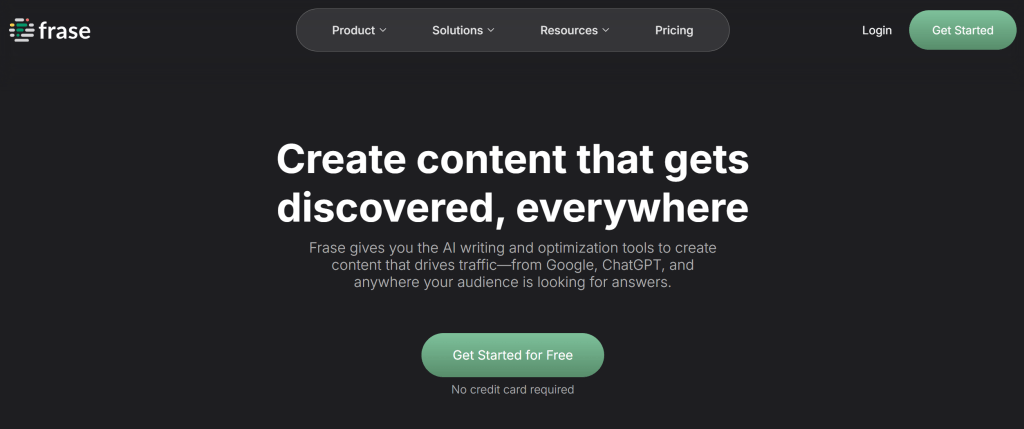
This group of tools specializes in SEO-driven content strategy and optimization. Frase helps you create well-researched content briefs by analyzing the top results in Google for your target keyword. Surfer SEO offers a real-time content score while you write, helping you hit ideal word counts, keyword densities, and topic coverage.
Anyword, meanwhile, is focused more on performance marketing — giving predictive performance scores for different versions of your copy. These tools are invaluable for anyone looking to write content that performs well in search or ads — but be careful not to let the “optimization” kill your originality.
9. Notion AI
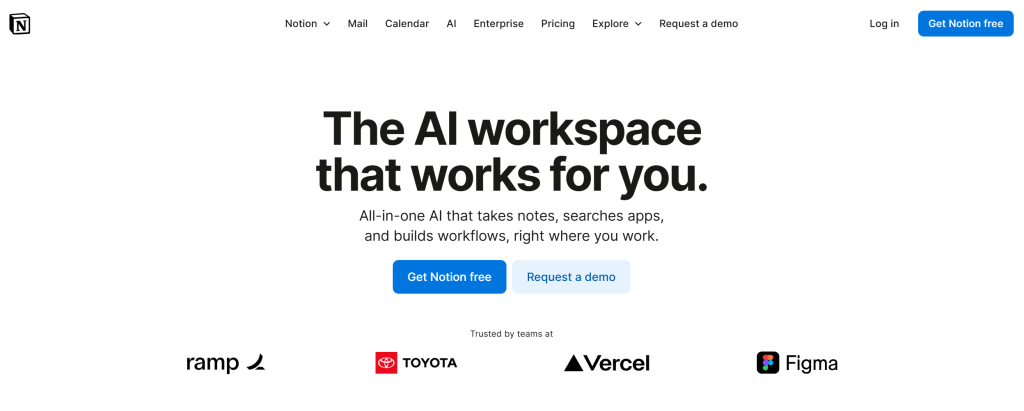
Notion AI turns a note-taking and workspace app into a content planning powerhouse. With AI assistance, you can generate outlines, summarize meeting notes, ideate social media campaigns, and build full content calendars — all within one system. It’s particularly useful for teams or solo creators managing multiple channels.
You can centralize brainstorming, writing, and publishing workflows while collaborating with others. While it’s not meant for final publishing, it’s great for structuring your content pipeline and keeping everything organized.
10. Lumio AI

Lumio AI is a rising star — a platform that lets you compare and use different AI models like ChatGPT, Claude, and Gemini in one workspace. This is especially helpful if you want to test the tone, style, or output quality of different models before choosing which one to publish. Lumio is ideal for content creators who want flexibility and don’t want to be locked into a single AI provider. However, with great flexibility comes more complexity, and it may take time to get used to switching between models strategically.
Final Thoughts
In 2025, AI tools are no longer just productivity boosters — they’re creativity multipliers. Whether you’re creating written content, graphics, videos, or optimizing for SEO, there’s an AI tool that can streamline your workflow and elevate your output. But no tool can replace your unique voice, vision, or judgment. The best results come from collaborating with AI, not outsourcing everything to it.
Choose the tools that fit your workflow and needs, and don’t be afraid to experiment. Content creation in 2025 is about working smarter — and with the right AI toolkit, your creative process can scale like never before.


Leave a Reply