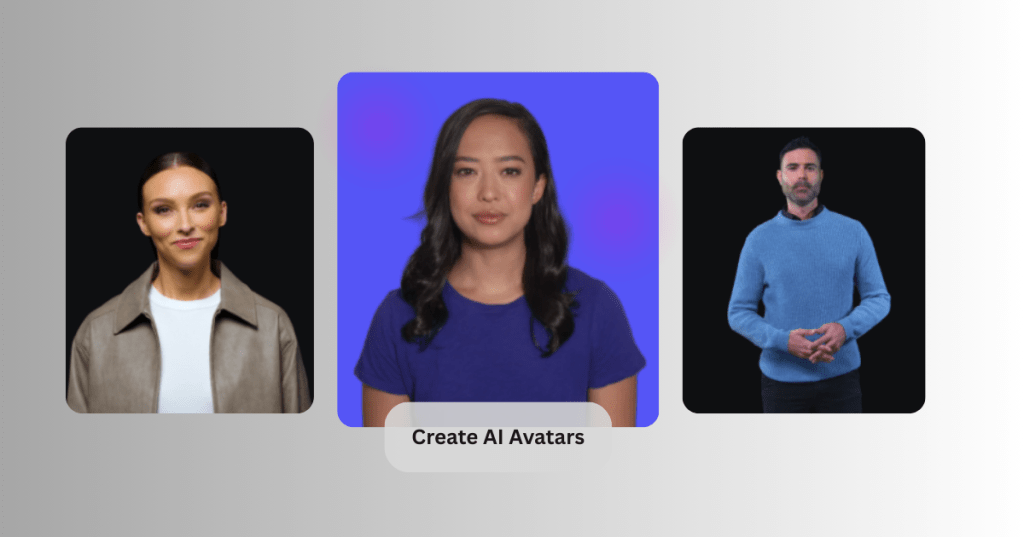
AI-powered avatars are becoming one of the most influential tools in user-generated content (UGC) marketing for 2025. They allow brands to craft authentic, relatable, and scalable content without traditional limitations such as production costs, creator availability, or geographic barriers. By blending realism with automation, AI avatars represent both the human side of digital storytelling and the efficiency of data-driven marketing.
This article explores why AI avatars matter in UGC marketing, how brands can leverage them, and what trends are shaping their role in the future of digital influence.
Understanding AI Avatars in UGC Marketing
An AI avatar is a digitally created personality, often modeled after real-world humans or entirely generated using artificial intelligence. These avatars can take shape as lifelike faces, digital influencers, or even 3D animated personas. In the world of UGC marketing, AI avatars perform the role of content creators—delivering reviews, tutorials, testimonials, or ads with a human touch.
Unlike static product visuals, avatars make content more engaging by speaking directly to audiences, showing expressions, and even adjusting tone and gestures to match brand messaging. This brings credibility and relatability, two key factors that make UGC so powerful.
Why AI Avatars Are Important in UGC Marketing
1. Scalable Human-Like Content Creation
Traditional UGC often depends on a community of influencers or everyday customers sharing experiences. While effective, the process is inconsistent and challenging to scale. AI avatars solve this problem by producing limitless volumes of content—reviews, explainer videos, or social ads—at consistent quality and speed.
For example, a brand can launch 100 personalized video reviews using avatars for multiple audience segments, something impossible with human creators at the same cost or timeline.
2. Enhancing Personalization and Relatability
Modern audiences expect hyper-personalized interactions. AI avatars can adapt scripts, tone, and visual cues to engage different demographic groups. A millennial-focused campaign might feature a young, casual-looking avatar speaking with humor, while a professional campaign could present a polished avatar with a formal style.
This dynamic adaptability ensures every target segment feels directly addressed, helping brands maintain relatability across markets.
3. Lowering Barriers for Small Businesses
Not every startup or eCommerce brand can afford influencer contracts or high-budget video production. AI UGC creation by eliminating the need for expensive filming locations, actors, or equipment.
Small brands on Shopify, for instance, can generate AI avatar videos to showcase product reviews and ads within hours—turning their catalogs into immersive marketing experiences.
4. Filling Gaps in Influencer Marketing
Influencer fatigue is real. Consumers sometimes mistrust collaborations that feel overly scripted. AI avatars add balance by giving brands independence from influencers while still replicating relatable human expression.
Instead of waiting to secure partnerships, brands can push continuous avatar-led UGC that supports influencer-driven campaigns, making marketing more flexible and reliable.
Key Benefits of AI Avatars in UGC Marketing
- Consistency: AI avatars ensure brand tone and style remain uniform across multiple markets and campaigns.
- Speed: Campaigns can be launched in days rather than weeks.
- Cost-efficiency: A one-time avatar creation investment saves recurring costs for videography and talent.
- 24/7 productivity: Avatars don’t sleep. They can continuously generate content for global time zones and campaign schedules.
- Relatability: Lifelike expressions bring familiarity and trustworthiness, similar to real human influencers.
Use Cases of AI Avatars in UGC Marketing
1. Product Reviews and Demonstrations
Avatars can be scripted to deliver engaging product reviews or show usage benefits in explainer videos. This gives audiences the impression of hearing from a “real person” even when created digitally.
2. Ecommerce Catalog Videos
Online stores can turn product listings into videos with AI avatars explaining features, benefits, and offers. This bridges the gap between static catalog images and engaging storytelling.
3. Social Media Ads
AI avatars shine in TikTok, Instagram, and YouTube short-form content. They can be styled to match platform culture and generate repeatable video ads tested across multiple demographics.
4. Customer Support and Onboarding Content
Avatars can serve as digital assistants delivering FAQs, onboarding tutorials, or customer education videos—blurring the line between support and marketing.
Trends Shaping AI Avatar UGC Marketing
1. Rise of Hyper-Realism
Advances in AI video generation mean avatars now mimic micro-expressions, fluid gestures, and natural speech. This realism eliminates the “uncanny” barrier, making avatar-based UGC feel genuinely trustworthy.
2. Voice and Language Diversity
Brands can now create multilingual avatars to connect with audiences across global markets. This is crucial for companies scaling internationally without hiring local teams.
3. Interactive Avatars in Commerce
Experiments with interactive AI avatars are emerging where customers can “ask” an avatar about a product during their shopping journey. This deepens engagement and combines UGC principles with conversational AI.
Integration with AI UGC Platforms
AI UGC tools like Tagshop AI are leading the way by offering product URL to video workflows, enabling brands to instantly generate UGC-style videos with avatars directly from their online stores. This seamless integration between AI avatars and UGC generation platforms signals the future of automated content marketing.
Challenges and Considerations
While AI avatars unlock huge opportunities, brands must be mindful of challenges:
- Authenticity concerns: Overuse may risk audiences perceiving content as “too artificial.” Balancing AI with genuine human UGC is key.
- Ethical usage: Transparency about AI-generated content avoids misleading customers.
- Data privacy: AI platforms must ensure customer data is handled responsibly, especially when personalizing avatar communication.
How Brands Can Strategically Use AI Avatars
- Blend AI and Human UGC
A strong UGC strategy combines real customer testimonials and AI avatars for scalability. This ensures credibility plus volume. - Experiment with Audience Segmentation
Use avatars to test different tones and appearances across demographics. AI analytics can reveal which versions resonate best. - Optimize for Short-Form Social Platforms
Prioritize TikTok, Instagram Reels, and YouTube Shorts. These platforms thrive on conversational, human-like video content—an ideal match for avatars. - Incorporate Avatars into Storytelling
Instead of pure product pitch videos, craft narratives. An avatar can walk through customer pain points, solutions, and transformations, amplifying emotional resonance. - Leverage URL-to-Video Automation
UGC platforms with URL-to-video features help streamline avatar-led content creation directly from eCommerce stores without manual editing.
The Future of AI Avatars in UGC
As AI avatars evolve, they are set to become indispensable for brands aiming to produce authentic content at scale. By 2026, we can expect avatars to power not only video ads but also AR shopping experiences, livestream selling, and personalized digital storefronts.
For consumers, this means more tailored, accessible, and diverse forms of interaction with brands. For businesses, it offers unmatched speed, flexibility, and efficiency in keeping up with the demands of digital-first audiences.
Conclusion
AI avatars are transforming UGC marketing by marrying authenticity with automation. They offer brands a way to generate human-like, relatable video content on demand without the costs and limitations of traditional production. By leveraging avatars for reviews, ads, and eCommerce storytelling, companies can scale faster, stay relevant, and connect deeply with their audiences.
The future of UGC marketing will not be driven solely by human creators or AI systems but by a balance of both. In that balance, AI avatars stand as the bridge—bringing the human touch to scalable AI-driven campaigns.
 AI Ads
Leave a comment