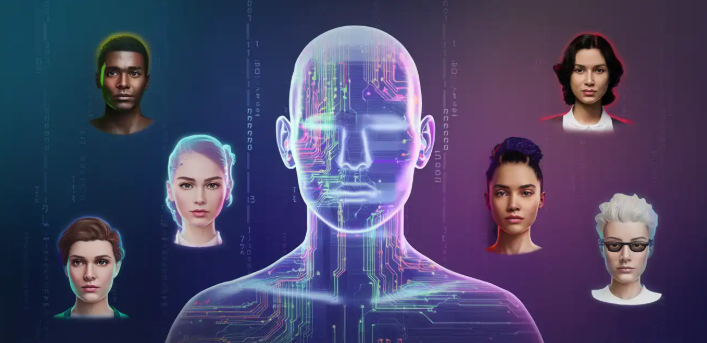
The digital content landscape has reached a tipping point. For over a decade, user-generated content (UGC) has been the beating heart of social media, enabling brands, influencers, and everyday users alike to build trust with authentic reviews, tutorials, and lifestyle storytelling. But as the demand for scalable, cost-effective, and omnichannel content continues to grow, something new is reshaping the way we define “authenticity.” Enter AI avatars—hyper-realistic, customizable digital personas that can create UGC-style videos and posts faster, cheaper, and at massive scale.
The rise of AI avatars is more than just a technological novelty; it signals a profound shift in how brands, content creators, and audiences engage with online media. These avatars are not just replacing human creators in certain scenarios—they’re expanding what’s possible in UGC.
This article explores the rise of AI avatars in user-generated content: their evolution, benefits, challenges, and what lies ahead in a world that is quickly moving “beyond the human.”
The Evolution of UGC and the Arrival of AI
When Instagram influencers first started dominating the marketing landscape, UGC was synonymous with raw authenticity—real people sharing real experiences. Brands leveraged this to build credibility, creating a feedback loop between consumers and marketers where relatability drove purchases.
However, scaling this authenticity has always been a challenge. Human creators require time, contracts, compensation, and logistics. A global brand aiming to run 500 localized UGC campaigns often couldn’t meet the demand quickly enough.
AI changed the equation. The first wave included AI copy generators and script tools. Next came image-to-video and AI-generated voiceovers. Now, the frontier is AI avatars—digital humans that move, speak, and emote like real people. Platforms like Tagshop AI and other AI UGC video generators allow brands to generate videos straight from product links or prompts, with avatars delivering product reviews, explainer videos, or TikTok-style ads.
This evolution from authentic human content to synthetic, AI-enhanced content highlights the merging of technology with creativity, redefining what it means for something to be “user-generated.”
Why AI Avatars? The Key Drivers
Several factors explain why AI avatars are gaining traction in UGC:
- Speed and Scale: AI avatars can generate thousands of content variations in minutes. For global campaigns spanning different markets, brands can create localized videos instantly.
- Cost-Effectiveness: Hiring creators, filming, and editing adds up. AI avatars slash costs by removing production logistics while maintaining visual quality.
- 24/7 Availability: AI doesn’t sleep. Brands can generate content at any time, adapting quickly to trends or product launches.
- Personalization: Avatars can be fine-tuned to match any demographic, tone, or language, providing unmatched versatility.
- Consistency: Human creators may alter delivery or style, but avatars stay consistent—perfect for brand messaging where control is crucial.
These drivers create a powerful incentive for marketers looking to balance customer engagement with resources. But the story goes deeper—AI avatars aren’t just a replacement for humans; they can deliver content humans can’t produce.
Expanding Beyond Human Limits
A significant appeal of AI avatars lies in their superhuman adaptability. Unlike traditional influencers or human creators:
- An avatar can speak multiple languages flawlessly, offering instant global reach.
- Personalization can go hyper-specific—imagine one product ad, instantly tailored for 10 different age groups with subtle tweaks in tone and facial expression.
- Copy and visuals can change dynamically, creating endless variations to test in A/B marketing campaigns with zero extra time investment.
- Brands can create fictional brand ambassadors that never age, never burn out, and never fall into controversy.
For example, an online skincare brand could launch an AI-generated influencer who explains product benefits in English, Hindi, Spanish, and Mandarin with culturally adapted gestures. In the past, this would require hiring multiple creators—now it’s instant, scalable, and deeply personalized.
Authenticity in the Age of AI Avatars
The question is unavoidable: if avatars dominate UGC, what happens to authenticity, the very thing that powered the UGC boom?
Here, perceptions are shifting. For Gen Z and Gen Alpha, digital hybridity is already normal. Virtual idols on TikTok or AI influencers like Lil Miquela blurred the lines years ago. What matters less is whether the person is real and more whether the content feels authentic, relatable, or entertaining.
Brands are also becoming more transparent. Instead of pretending AI avatars are real humans, they position them openly as digital brand faces. This honesty creates a new kind of relationship with audiences—redefining authenticity as consistency, transparency, and value, rather than strictly human presence.
Still, there are challenges. Over-reliance on avatars risks alienation if consumers feel disconnected. The sweet spot lies in balance: mixing human UGC with AI avatar content. The hybrid model allows brands to scale content while maintaining human touchpoints for trust.
The Importance of AI Avatars in UGC Marketing
Industries Embracing AI Avatars
AI avatars are already transforming multiple industries through UGC-style content:
- E-commerce: Product videos generated directly from URLs, with avatars acting as reviewers or guides.
- Education: AI tutors and lecturers creating localized lessons for students across the world.
- Healthcare: Avatar explainers simplifying medical instructions, making information easier to digest.
- Finance: Virtual financial advisors building trust through approachable, face-to-face digital content.
- Travel and Hospitality: Avatars narrating travel experiences or walking users through booking processes in any language.
In each case, avatars enrich user-generated storytelling by giving brands and creators unlimited flexibility while keeping costs low.
Ethical and Creative Challenges
The rise of AI avatars in UGC also surfaces important ethical and creative questions:
- Oversaturation: With massive scalability, will feeds flood with repetitive avatar-generated ads?
- Deception: Should brands disclose that the “person” in a video is AI, or is subtlety acceptable?
- Diversity: Avatars can represent unlimited cultures and identities, but how do we ensure inclusivity is authentic and thoughtful?
- Creator Economy Disruption: What does the rise of AI avatars mean for human creators, whose livelihoods depend on brand collaborations?
Addressing these challenges requires guidelines for responsible AI use in UGC. Transparency is key, as is using avatars to complement—not replace—human creators where authenticity is critical.
The Future of AI Avatars in UGC
The future will likely be hybrid. Human creators will continue to dominate influencer-driven trust-building, while AI avatars power scalability and personalization.
We can expect advances such as:
- Interactive avatars that respond to viewer comments in real time.
- Hyper-emotive avatars capable of subtler facial microexpressions, closing the gap with human nuance.
- AR/VR integrations, where avatars become fully immersive guides or influencers inside virtual environments.
- Personalized avatars generated for each user, creating hyper-relevant product reviews or recommendations.
This progression represents not just a change in media but a cultural shift—audiences will grow more comfortable with AI-driven relationships, blending human input with advanced AI systems.
Conclusion
The rise of AI avatars in user-generated content is not about replacing humans but expanding what’s possible in digital storytelling. From scaling endless variations of product reviews to creating personalized content strategies tailored by demographic, AI avatars solve long-standing inefficiencies in UGC marketing.
At the same time, they challenge us to redefine authenticity. Instead of equating it solely with being “real and human,” we’re moving toward a broader understanding: authentic content is whatever resonates, delivers value, and maintains transparency, regardless of whether it was created by a person or an algorithm.
As technology evolves, we’re shifting beyond the human—not to erase people from content creation, but to open up new dimensions of creativity, accessibility, and scalability. The future of UGC will be a collaboration between human ingenuity and AI avatars, where both play to their strengths.
 AI Ads
Leave a comment